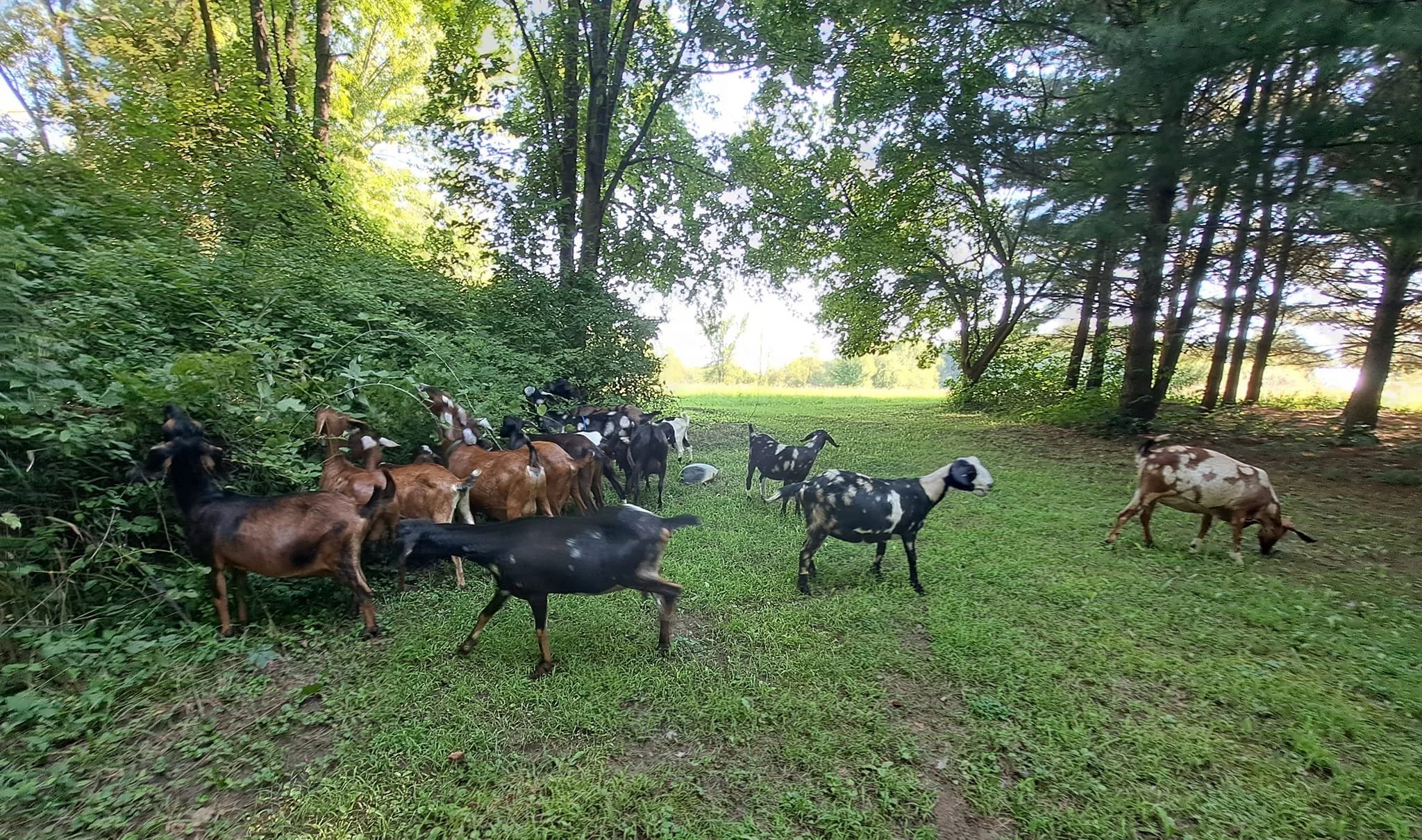
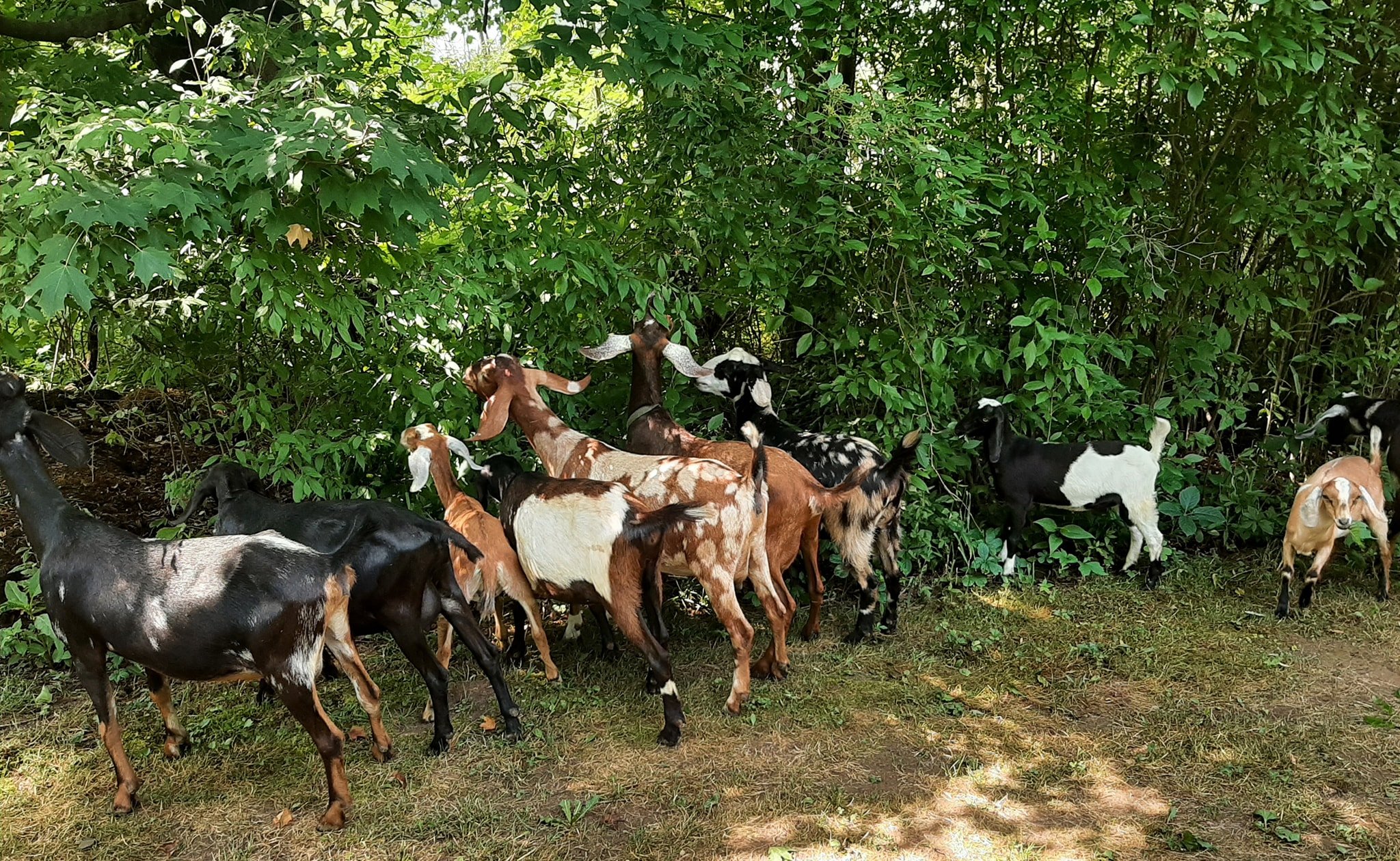
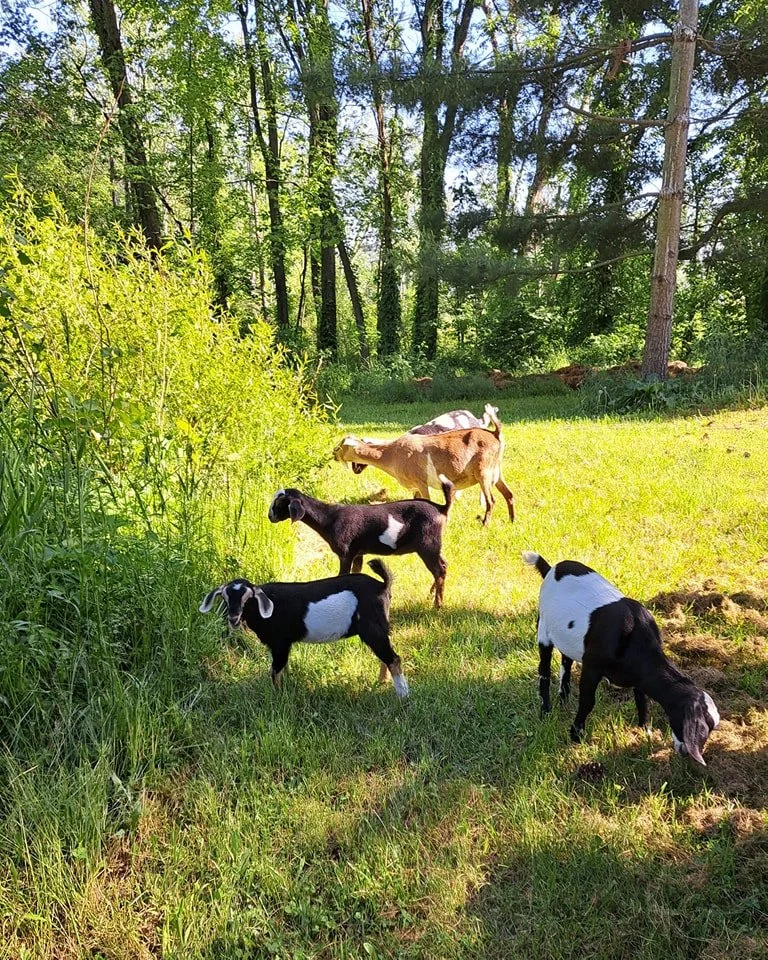
How our goats live
This is how we take care of our goats- you may have other ways you do things- and that is ok. There are lot of ways to care for goats and everyone needs to decide what works best for them. If you have never had a goat before- ask questions!! Find a *local to you* mentor if we are in different areas of the country- as different areas often have different resources available and/or different care needs due to temperatures/environments.
How we feed our goats (aside from also pasture grazing)
Our goats have free choice alfalfa/ grass hay mix out 24 hours a day.
We feed our all of our goats pellets twice a day much of the year (yes the boys too). The adult does pellets are mixed about 50/50 with alfalfa pellets. The goats in the adult pens get 16% non-medicated goat pellets. They get 1.5- 2 of 4-quart scoops divided between 15+ goats- so not ALOT per goat.
Pregnant mature goats get very little (if any) pellets after they are bred and then it is slowly increased the last 3-4 weeks of pregnancy- depending on how they keep weight on without pellets. We don't want a fat goat- but also want them to not lose condition or have ketosis with pregnancy. Jr does bred to be milking yearlings are fed pellets their whole pregnancy and kept in an area away from the mature does as they don’t get bullied.
The baby goats & yearlings get 18% medicated feed until they are put in with the adult girls and then they are switched to the adult diet. Pregnant girls under 1 1/2 years old need to be kept separate from the mature girls as they require more food for growing them and their babies.
On the milk stand our goats get a mix of Alfalfa pellets, Black Oil Sunflower seeds, Whole Oats, and Triple Crown Senior Horse feed (beet pulp based feed). They are allowed as much as they can eat while on the stand.
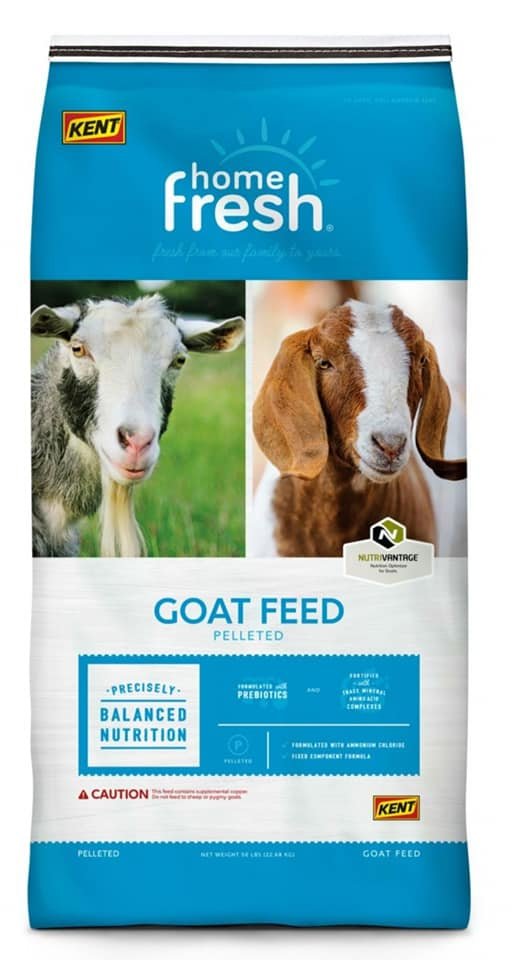
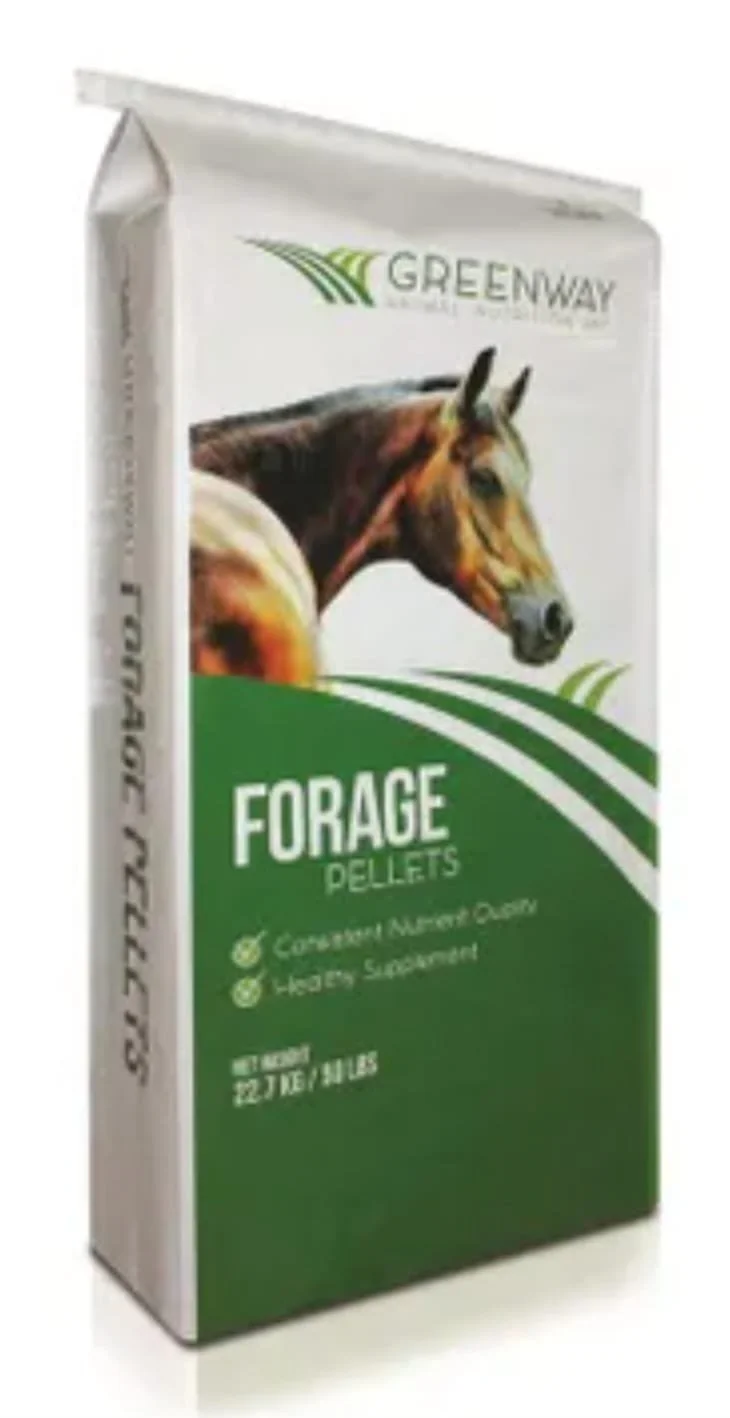
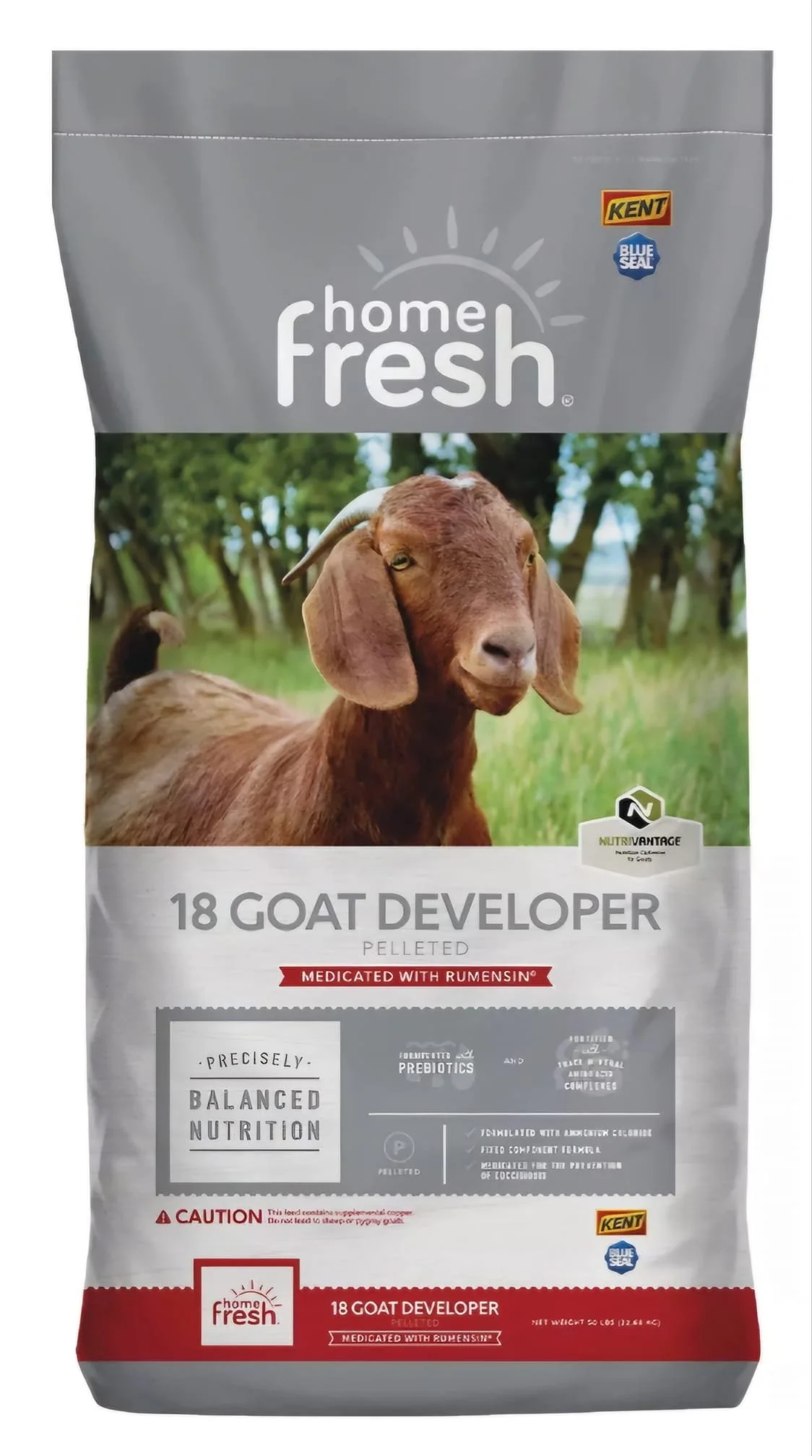
Kent Home Fresh 16% Grow & Finish Pellets
Alfalfa Pellets
Kent Home Fresh 18% Developer (medicated)
Treats- Animal Crackers, Fig Newtons, Bananas mostly- Other random veggies, fruits, and leafy greens
Health care we do
You need a veterinarian for your goats.
Maybe they only see you once a year or maybe they are more involved and out several times a year as my vet is. But, find a vet and have a farm call done as soon as you can so that when you REALLY need a vet- they will come out. You do not want to be hunting for a vet while you are having an emergency.
Coccidiosis
All babies should be on a coccidia treatment regiment.
We use toltrazuril every 3 weeks here through 16 weeks; along with medicated feed. There are other options out there, but this our protocol.
Lots of good health info print outs are on this
FB group- GOAT EMERGENCY TEAM
Hoof care- goats need their hooves trimmed about every 8-12 weeks here due to wet areas and soft ground.
I use hoof trimmers and an angle grinder similar to Hoof Boss on mine.
This FB Group is an amazing resource for hoof care:
Minerals
We keep Sweetlix Meat Maker & Sweetlix Glowing Goat loose minerals out for all of our goats at all times.
We are in a selenium deficient area so we make sure that, as well as, copper, cobalt, and zinc are present in good numbers too
Vaccines
Our kids get 2 CDT shots - preferably before they leave to new homes, but bottle babies may not. New owners will be told what shots they have received.
Our adults get 1- 2 CDT boosters yearly before breeding and pregnant does get another one about a month before kidding.
Adults also get BO-SE injections before breeding and pregnant girls get another one about a month before kidding.
Worming
Worming by FAMACHA score and fecals is highly recommended verses scheduled worming if they need it or not.
A great resource for worming info:
I do worm does after kidding regardless of FAMACHA or getting a fecal just as a precaution.
WE used Bioworma in May- Aug in 2023 & 2024. Didn’t use it in 2025- may use it in 2026.
Fecals are easy to do at home or if you do not have the supplies or training they can be sent to this company:
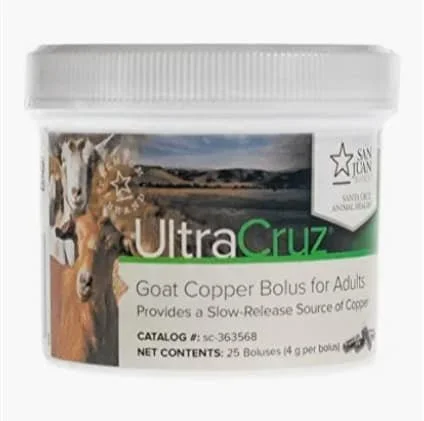
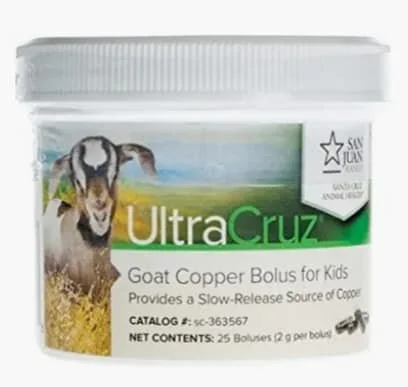
We give copper boluses 2- 3 times a year.
I just give it as the bolus size and do not give by weight.
Where my goats live
You need to have separate areas for your does and intact bucks to live. Wethers can live with either sex.
My does live in a large fully enclosed run-in on the back of my barn. The kid barn and the buck barn are wooden sheds.
We set up kidding pens in the main barn when they are needed otherwise it is just for storage since the rabbits have left.
Some people use calf huts for their goats- you just want to make sure they have an area they can stay dry out of the weather in. because of Michigan winters I prefer buildings for my goats to live in.
My folks raise beef cattle on a large farm- so the pasture rotation philosophy is ingrained in me verses raising animals on dry lots.
My doe area and my buck areas both have a barnyard area (the dry lot) that attaches to 3 pastures for rotating grazing. If I had less goats this would work better than it currently does- which is why the plan is to expand fencing into the woods.
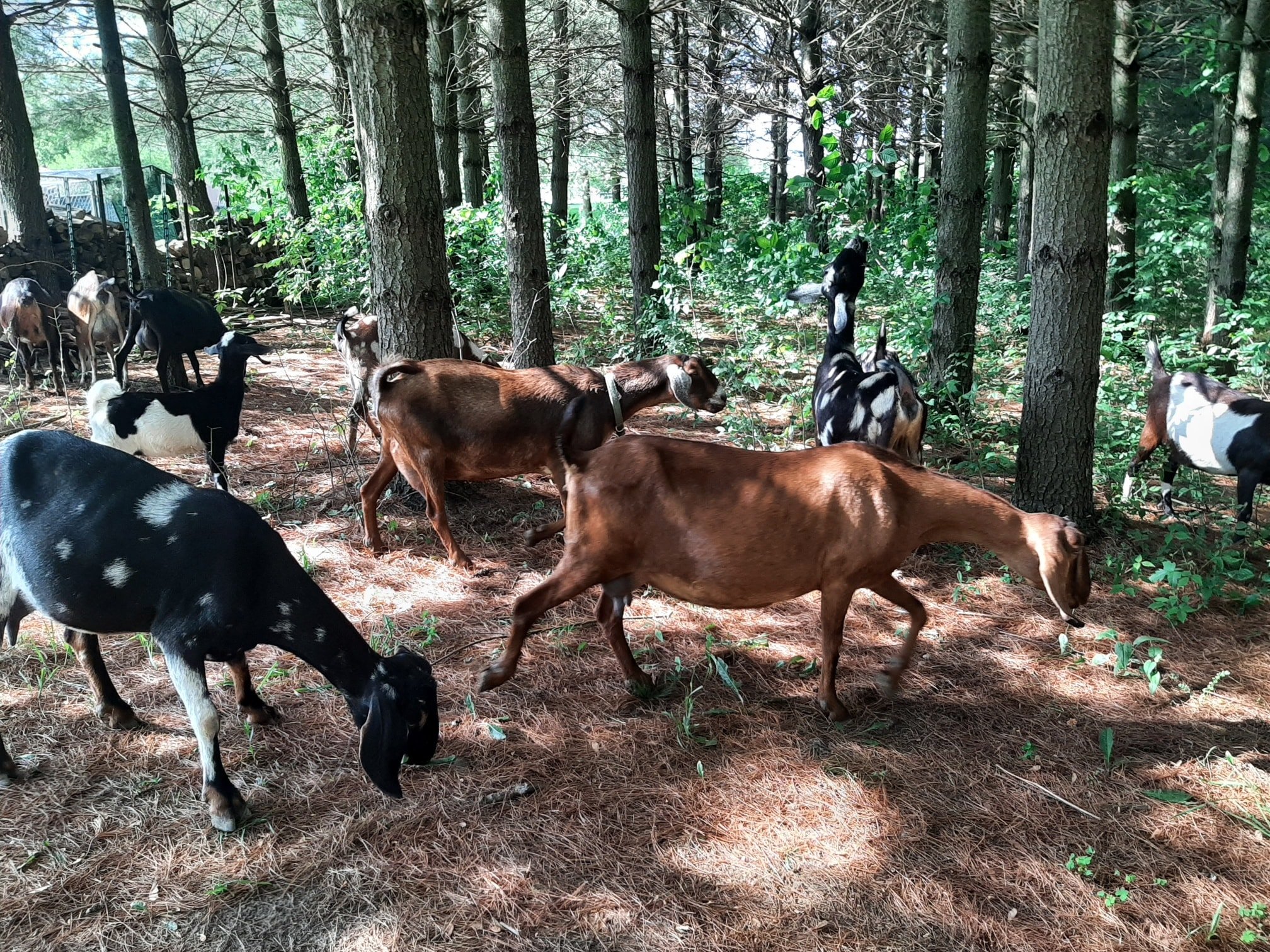
We go for walks in the woods, and are in the process of fencing off pastures in the woods. Currently we use electric netting where there isn’t permanent fencing in the woods for grazing areas.